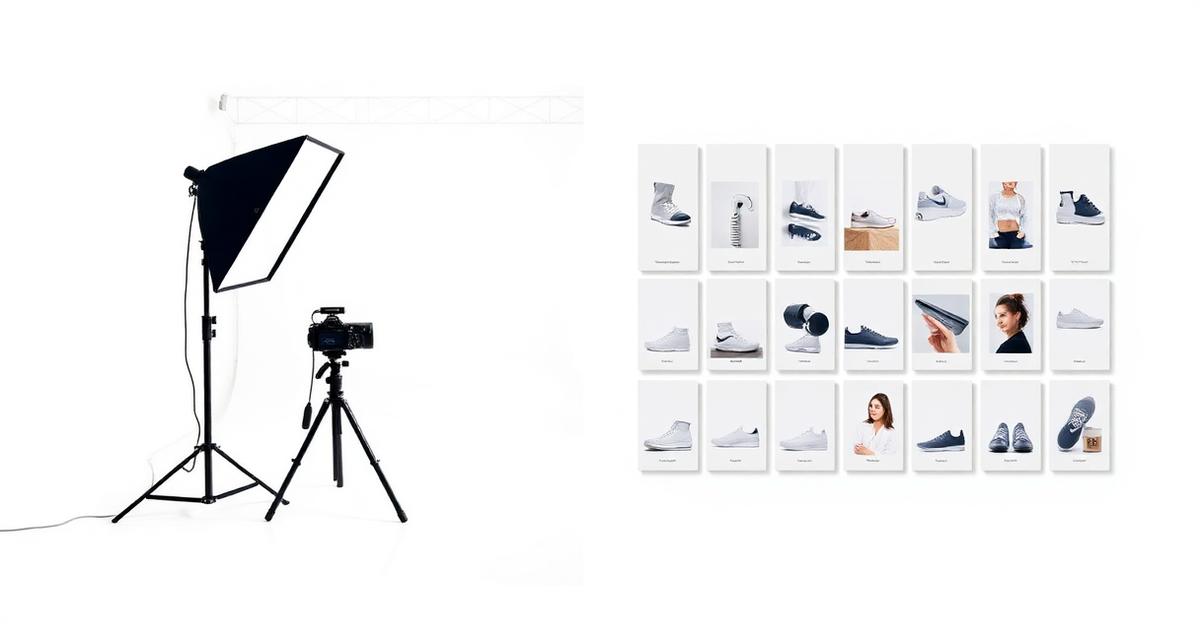
The real cost isn't the session price
When comparing the two options, many people compare only the session price to the subscription price, which hides the biggest cost items: coordination time, shipping products to and from the studio, waiting for processing, and the cost of delayed product launches. A product delayed two weeks from appearing in the store loses sales that never show up on any invoice.
Comparison table
| Criterion | Traditional photography | AI generation |
|---|---|---|
| Time to get the image | Days to weeks | Minutes |
| Logistics | Shipping the product, booking a studio, scheduling appointments | Uploading a photo from your phone |
| Revisions | An extra session or reprocessing | Instant regeneration |
| Number of backgrounds and styles | Limited by session time | Practically unlimited |
| Marginal cost per extra image | Relatively high | Low |
| Reference accuracy of the product | Highest | Needs human review |
The table compares the nature of each option, not fixed prices: studio prices vary widely by country, photographer, and product type, so request a local quote before doing any math.
How to calculate the cost per image for your business
Use the same formula for both options so the comparison is fair:
- Total cost = amount paid + value of your team's time + shipping and transport costs + rework cost.
- Cost per image = total cost ÷ number of images actually published.
- Calculate over three months, not a single batch, because traditional photography looks cheaper in rare large batches and more expensive with frequent updates.
For a Vilabs360 subscription, divide your monthly plan's price by the number of images published from its credit balance — current plan prices are shown on the pricing page.
When does traditional photography remain necessary?
- The first reference image for each product: the buyer must see the real item.
- Products whose purchase decision depends on texture (special fabrics, handicrafts, leather).
- Content that relies on real people associated with the brand.
- Markets or platforms that require original photographic images.
The most cost-effective model in practice is a blend: one annual session for reference photos, then generating all campaign variations and seasonal backgrounds from those photos.
Transparency is a requirement, not an option
Whatever option you choose, the image must not misrepresent the product: a different color, a misleading size, or contents that aren't included. Add at least one real photo for each product, and mention when necessary that display images are digitally generated. This reduces returns and protects you from misleading-advertising rules.
Try the calculation on a single product
Pick a product you previously photographed traditionally, generate a new set of images for it, and compare the cost, time, and result. The number you get from your own catalog is more honest than any market average.
Frequently asked questions
Does AI eliminate the need for traditional photography?
No. Real photography remains necessary for an honest reference image of the product, for products that depend on texture or movement that's hard to represent, and for the requirements of some platforms.
How do I calculate the cost per image?
Divide your total monthly spend (a subscription, or a full photo session including logistics and time) by the number of images that are actually publishable, not the number generated or captured.
What does a revision cost?
In a traditional session, a revision usually means a reshoot or an extra processing fee, while with generation, a retry is simply part of the normal usage of your credit balance.